
The Thrill of Uncertainty
The allure of casino gambling often lies in its inherent unpredictability. This uncertainty can trigger a rush of adrenaline, similar to that experienced in extreme sports. Many people are drawn to this thrill because it offers a temporary escape from their daily routines. The unpredictability of each game creates a sense of excitement that can be hard to replicate in other aspects of life, especially for those who enjoy playing casinos online.
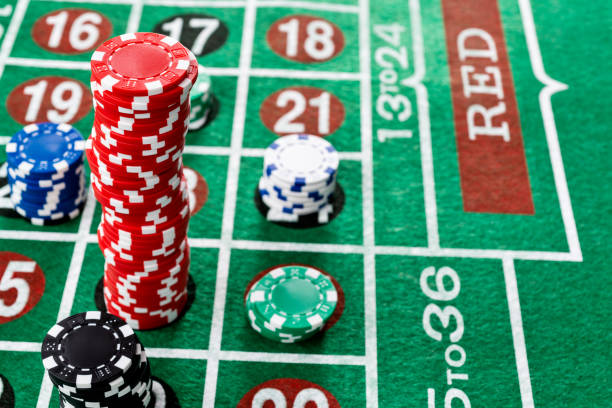
Furthermore, the brain reacts to the potential for reward with a complex interplay of neurotransmitters. When a player wins, the brain releases dopamine, reinforcing the behavior and creating a desire to gamble again. This cycle of anticipation and reward is fundamental in understanding why people willingly take risks in gambling scenarios.
The Role of Cognitive Biases
Cognitive biases significantly influence decision-making in gambling contexts. One such bias is the illusion of control, where players believe they can influence random outcomes, such as in games of chance like slots or roulette. This misconception can lead to increased gambling activity as players feel empowered, despite the odds remaining unchanged.
Another prevalent bias is the gambler’s fallacy, where individuals mistakenly believe that past events affect future outcomes. For instance, a player may think that a slot machine is “due” for a payout after a series of losses. This belief can perpetuate gambling, as individuals chase perceived patterns that are statistically unfounded.
The Social Aspects of Gambling
Gambling is often a social activity, inviting friends and family to join in the experience. This communal aspect can enhance the enjoyment and excitement of gambling, making individuals more likely to take risks they might avoid in solitary situations. Casinos are designed to promote social interaction, with shared spaces and group games that encourage camaraderie among players.
Moreover, the social dynamics of gambling can create a sense of belonging and community. Engaging in discussions about strategies, wins, or losses can forge bonds between players, further entrenching them in the gambling experience. The desire for social approval can also lead individuals to gamble more than they initially intended, driven by the influence of their peers.
Psychological Escapism and Gambling Addiction
For some individuals, gambling serves as a form of escapism, allowing them to forget about personal or financial problems. This psychological relief can be tempting, leading individuals to gamble to escape their realities. However, while it may offer temporary solace, it can also spiral into problematic behavior, leading to gambling addiction.
Gambling addiction is characterized by an inability to control the urge to gamble, despite negative consequences. This cycle can be difficult to break, as the initial excitement and thrill can morph into a compulsion. Understanding the psychological factors at play can aid in recognizing when gambling has transitioned from a fun pastime into a harmful addiction.

Understanding Judicial Selection Processes
While exploring the psychology behind gambling, it’s essential to recognize the broader societal implications, including the management and regulation of gambling practices. Platforms like JudicialSelection.us provide valuable insights into how judicial systems navigate these complex issues, offering resources that promote a more informed understanding of the legal frameworks surrounding gambling.
By fostering transparency and accessibility in judicial appointments, such platforms enable discussions that emphasize the importance of ethical decision-making in gambling regulations. An educated discourse about gambling and its psychological aspects can contribute to better policies and support systems for those affected by gambling-related problems.